Wondering what to see in Puerto Rico? You’re not alone—this Caribbean gem packs centuries of history, rainforests, and beaches into one island, making choices tough. We’ve cut through the noise so you can plan smarter. Whether you’ve got three days or two weeks, this guide maps exactly what to see in Puerto Rico without the guesswork. (yes, really). If you’re looking for Puerto Rico sightseeing ideas that actually fit your schedule, you’re in the right place. From must-see attractions in Puerto Rico to hidden local gems, we’ve got you covered.
- Puerto Rico isn’t just beaches—it’s layered history, living culture, and wild nature in one compact island.
- First-time Puerto Rico success: San Juan history, El Yunque adventure, one offshore island—nothing more, nothing less.
- Peak season guarantees perfect weather but inflates prices; shoulder months trade some sunshine for thirty to fifty percent savings.
Contents
- 1 Introduction to Puerto Rico’s Top Attractions
- 2 Top 10 Places to Visit in Puerto Rico
- 3 What to See in Puerto Rico, San Juan
- 4 Where to Visit in Puerto Rico for the First Time
- 5 Hidden Gems and Off-the-Beaten-Path Locations
- 6 Unique Cultural and Historical Experiences
- 7 Practical Information for Visitors
- 8 FAQ
- 9 Sources
- 10 Sources
Introduction to Puerto Rico’s Top Attractions
Planning a trip here means balancing must-see attractions in Puerto Rico with realistic travel time. You can’t do everything, but you can do the right things. This section breaks down the core reasons travelers choose this island and what makes the Puerto Rico travel highlights so unique compared to neighbors like Dominican Republic or Jamaica. We’ll also flag seasonal considerations—whale watching peaks January-March near Rincón, while bioluminescent bays shine brightest during new moon phases.
Why Visit Puerto Rico?
Puerto Rico doesn’t just check boxes—it shatters expectations. You’ll find U.S. convenience (no passport needed for American travelers) paired with Latin Caribbean soul. According to Discover Puerto Rico (2024), visitor spending hit $2.546 billion, signaling strong traveler satisfaction . Budgets vary wildly though: backpackers average $110/day while luxury travelers spend ~$506/day .
So, what’s the catch? Timing matters. Peak season (December-April) brings perfect weather but higher prices. Shoulder months (May-July, Sept-early Dec) offer deals but require hurricane awareness—peak risk runs August 15–October 15, monitor via NOAA NHC PR office . If you want to explore Puerto Rico without breaking the bank, aim for September when hotel rates drop 30-50%.
Overview of the Island’s Highlights
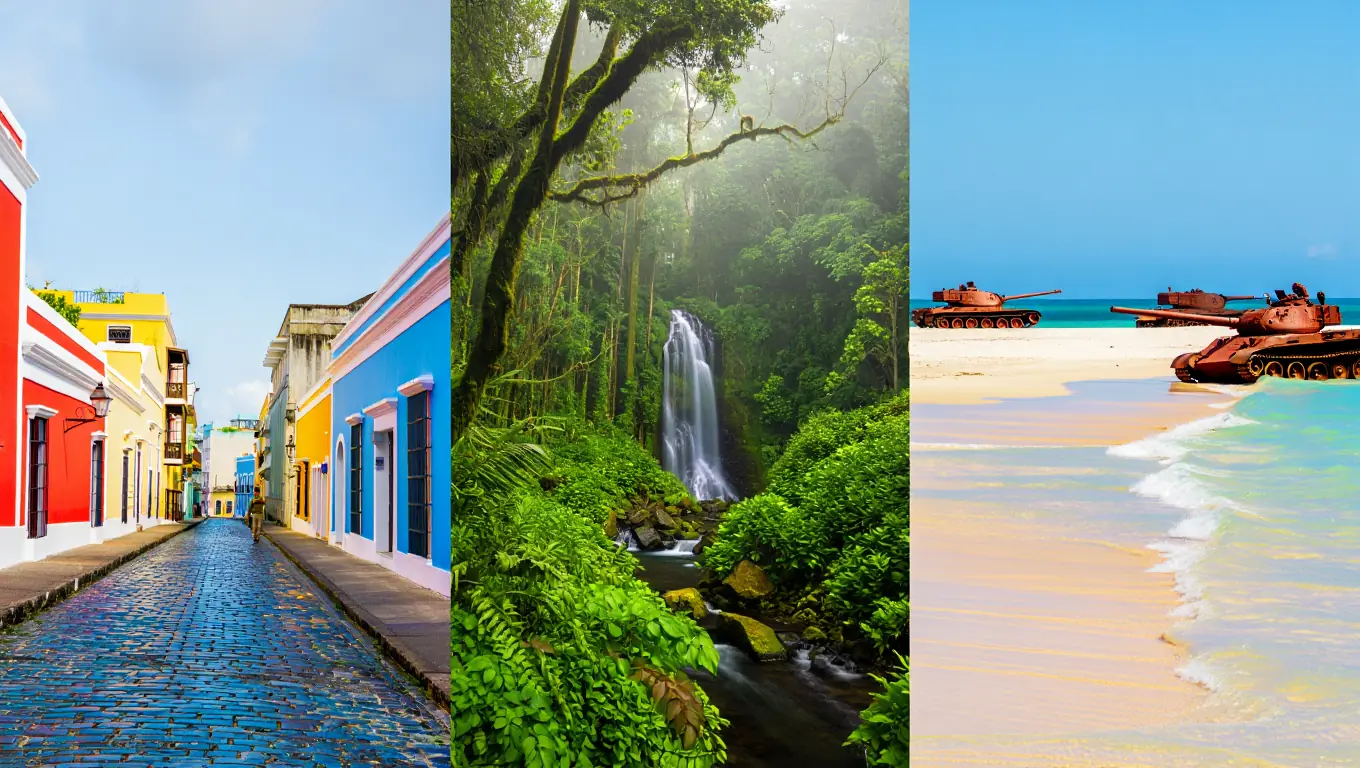
Think of Puerto Rico as three distinct experiences rolled into one: historic San Juan’s cobblestone charm, El Yunque’s emerald trails, and Culebra’s powder-soft shores. The island’s 280-kilometer coastline means beach options aren’t scarce—they’re overwhelming. That’s why we prioritize: accessibility, uniqueness, and value.
For first-timers, Old San Juan + El Yunque + one offshore island (Vieques or Culebra) creates a balanced itinerary. Don’t try to see everything. (Trust us on this one). These top things to do in Puerto Rico ensure you don’t miss the magic. Pro tip: the north coast gets more rain than the south—pack accordingly if hiking El Yunque.
Prioritize 3-4 core experiences per week—trying to do more leads to burnout, not memories.
Top 10 Places to Visit in Puerto Rico
Before we dive into specifics, let’s clarify: “top” depends on your travel style. A history buff’s #1 won’t match a surfer’s. That said, these top 10 places to visit in Puerto Rico consistently deliver for most visitors. We’ve weighted them by accessibility, photo-worthiness, and cultural significance. Prices and crowds fluctuate, so we’ve added thresholds where possible. If you need the best 10 spots in Puerto Rico, this list is your starting point.
Here’s a quick comparison of three flagship experiences to help you prioritize:
| Destination | Best For | Avg. Cost | Crowd Level | Accessibility |
|---|---|---|---|---|
| Old San Juan | History, photography, food | $10-40/person | High (weekends) | Walkable, no car needed |
| El Yunque | Hiking, waterfalls, nature | Free entry + transport | Medium-High | Car required, parking limited |
| Flamenco Beach (Culebra) | Swimming, snorkeling, relaxation | $4.50 ferry + $15-25 rentals | Medium (weekdays) | Ferry/flight booking required |
Use this table to match your priorities: culture, adventure, or pure beach time.
Exploring Old San Juan
Wandering Old San Juan feels like stepping into a living postcard. The blue cobblestones (made from iron slag, fun fact) lead to 16th-century forts like Castillo San Felipe del Morro. Entry to the San Juan National Historic Site costs $10/adult, valid for 2 days . Allow 3-4 hours minimum—rushing here defeats the purpose. Street art, local cafés serving cortaditos ($3-5), and spontaneous salsa music create layers beyond the guidebook. Don’t miss neighboring districts: Condado for beachfront luxury, Isla Verde for airport proximity, Miramar for local vibes.
- Castillo San Felipe del Morro: 16th-century fortress with ocean views; allow 90 mins; $10 entry.
- Cathedral of San Juan Bautista: Oldest cathedral in the U.S. territory; free entry; modest dress required.
- Calle del Cristo: Colorful street with galleries and souvenir shops; best visited late afternoon for photos.
- Plaza de Armas: Central square with local vendors; great for people-watching and cheap snacks ($5-8).
- La Fortaleza: Governor’s mansion exterior tours; free; book ahead for interior access.
The Enchanting El Yunque National Forest
El Yunque isn’t just a rainforest—it’s the only tropical rainforest in the U.S. National Forest System. Visitor numbers hit ~1.2 million annually , so timing matters. Arrive before 10 AM to avoid crowds and afternoon showers. Trails range from the easy 0.6-mile El Yunque Peak Trail to the moderate 2.4-mile La Mina Falls hike. No entry fee, but parking fills fast. Pro tip: pack water shoes—waterfalls mean slippery rocks. Follow Leave No Trace principles: stay on marked trails, pack out trash, don’t feed wildlife. This is definitely one of the top ten destinations Puerto Rico has to offer nature lovers.
Relaxing on Flamenco Beach
Flamenco Beach on Culebra consistently ranks among the world’s best. Why? Turquoise water, soft white sand, and those iconic rusted tanks left from military exercises. Getting there requires planning: ferry from Ceiba ($4.50 round-trip) via Autoridad de Transporte Marítimo (book 30 days ahead) or Cuatro Tours for priority access. Alternative: fly from SJU airport ($100-150 round-trip).
The beach itself is free, but rentals (chairs, umbrellas) cost $15-25. Visit on weekdays to avoid weekend crowds—locals know this secret. Note: reef-safe sunscreen is legally required; non-compliant products face fines up to $500. It remains one of the 10 must-visit places Puerto Rico fans rave about.
For offshore islands like Culebra, book ferry tickets 30+ days ahead during peak season—they sell out.

What to See in Puerto Rico, San Juan
San Juan isn’t just a cruise port—it’s a cultural hub where history and modernity collide. When researching what to see in Puerto Rico san juan, focus on walkable districts. Old San Juan covers ~7 square blocks; Santurce offers street art; Condado brings beachfront luxury. You don’t need a car here. In fact, parking costs ($15-30/day) make walking or rideshares smarter. If you’re looking for San Juan Puerto Rico attractions, stick to these zones. For food, hit La Placita de Santurce (local market, best Thursday-Sunday evenings) or El Jibarito for authentic mofongo.
Historic Sites in San Juan
Beyond El Morro, San Juan’s historic layer runs deep. Castillo San Cristóbal (largest Spanish fort in the Americas) offers 2-3 hours of exploration. The city walls, built between 1540-1780, still stand in sections—free to walk. For deeper context, join a guided tour ($25-45/person) rather than relying on plaques alone. According to a 2024 Visitor Profile study, 63% of travelers identified as Puerto Ricans residing elsewhere, highlighting the emotional resonance of these sites . Sightseeing in San Juan Puerto Rico is best done on foot—wear comfortable shoes for those cobblestones.
Cultural Experiences and Museums
Museo de las Américas (in Cuartel de Ballajá) showcases Caribbean indigenous, African, and European influences. Entry: $5 adults, free Sundays. For living culture, catch a bomba or plena performance at La Factoría or Nuyorican Café. These aren’t staged for tourists—they’re community gatherings.
“Tourism is an economic engine and as a private organization, it is our responsibility to promote culture-centered experiences that benefit locals first.” — Leah Chandler, CMO of Discover Puerto Rico
Translation: support authentic venues. When you search for what to visit in San Juan Puerto Rico, prioritize local-owned spots. Consider booking a cooking class to learn mofongo-making—prices range $45-75/person and support community-based tourism initiatives.
Nightlife and Dining in San Juan
San Juan’s nightlife isn’t just clubs. Start with sunset at La Vergüenza rooftop ($12 cocktails), then hit Old San Juan’s bars for live music. Dinner budgets: $15-25 for casual mofongo at local spots, $50+ for fine dining in Condado. Avoid tourist-trap restaurants on Calle Fortaleza—walk two blocks inland for better value. Local favorite: Café Puerto Rico for breakfast (try the mallorca pastry, $4). Pro tip: many bars close earlier on Sundays—plan accordingly.
Where to Visit in Puerto Rico for the First Time
First-time visitors often overpack itineraries. Don’t. Focus on accessibility and iconic experiences. Where to visit in Puerto Rico for the first time? Start with San Juan (easy logistics), add El Yunque (unique nature), then choose one offshore island. This trio covers history, rainforest, and beach without exhausting travel days. These are the first time in Puerto Rico destinations we recommend most.
Must-See Natural Wonders
Beyond El Yunque, prioritize bioluminescent bays. Mosquito Bay on Vieques holds the Guinness record for brightest bioluminescence. For mainland access, Fajardo’s bioluminescent bay tours offer unforgettable nighttime kayaking experiences just 45 minutes from San Juan. Tours cost $45-75/person; book with electric kayak operators certified for eco-compliance (no motor pollution). For waterfalls, consider Salto Grande in El Yunque or the lesser-known Gozalandia Falls near San Sebastián (entry $10, less crowded).
Threshold note: bioluminescence visibility drops 70% during full moon—plan around lunar cycles. Add Guánica Dry Forest (UNESCO Biosphere Reserve) for a contrasting ecosystem—hiking trails range 0.5-3 miles, entry $5. These are the best places for first timers Puerto Rico should prioritize.
First-Time Visitor Tips
Follow this step-by-step checklist to plan your first Puerto Rico trip without stress:
- Book flights to SJU airport 6-8 weeks ahead for best rates—avoid last-minute premiums that can add $200-400.
- Reserve ferry tickets or inter-island flights immediately if visiting Vieques/Culebra—30-day advance booking is non-negotiable in peak season.
- Download offline maps and a translation app before arrival—cell service drops in mountains and offshore islands.
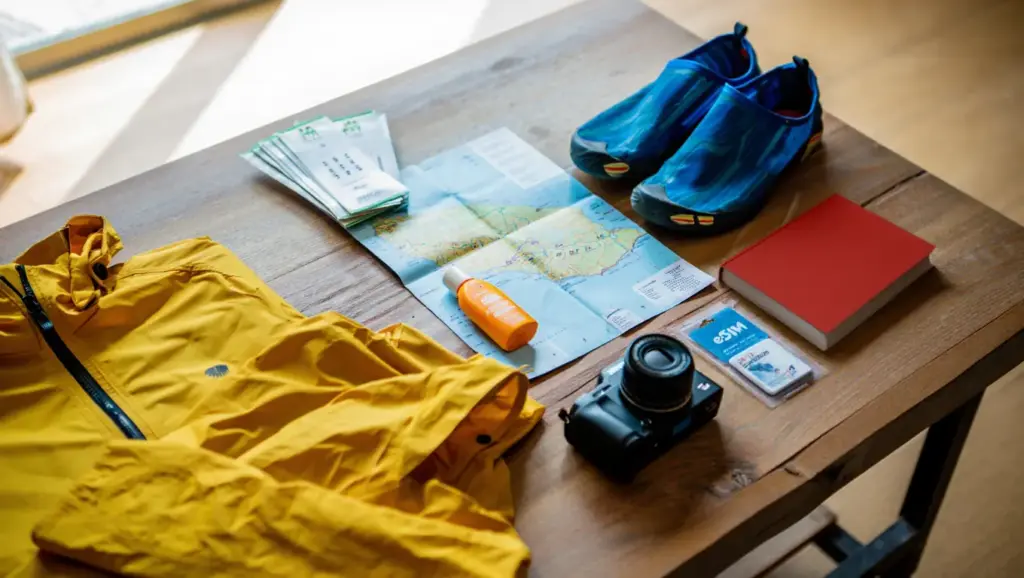
- Pack reef-safe sunscreen and water shoes—legal requirement for beaches and essential for waterfall hikes.
- Schedule one “buffer day” with no fixed plans—weather or ferry delays happen, and flexibility saves your itinerary.
Essential On-Island Logistics
Once flights and ferries are booked, shift focus to on-island logistics. These Puerto Rico-specific essentials—transport options, cash needs, basic Spanish—prevent common first-timer friction. (yes, really). Save this section for quick reference during your first 48 hours on the island.
- Transport: Rent a car only if leaving San Juan. Within the city, Uber/Lyft average $8-15/ride; public buses cost $0.75 but run infrequently . Main highways: PR-22 (north coast) and PR-52 (San Juan-Ponce corridor).
- Currency: U.S. dollars everywhere; credit cards widely accepted, but carry $20-50 cash for small vendors.
- Language: Spanish dominates, but English works in tourist zones. Learning “buenos días” and “gracias” earns smiles.
- Safety: Standard urban precautions apply. Avoid displaying valuables; stick to well-lit areas at night. Emergency: 911 (English-speaking operators).
- Connectivity: Buy a local eSIM (Claro, Airalo, or Holafly offer $12-18/week plans) for reliable data outside resorts .
Stop juggling tabs and notes. We’ve condensed everything from ferry booking deadlines to reef-safe sunscreen requirements into one printable checklist.
This 2-page PDF covers:
- Pre-trip timeline (8 weeks → 48 hours before arrival)
- Packing list specific to Puerto Rico’s microclimates
- Ferry vs. flight decision tree for Vieques/Culebra
- Emergency contacts and Spanish phrase cheat sheet
- Budget tracker with local price benchmarks

Local Cuisine to Try
Puerto Rican food blends Taíno, Spanish, and African roots. Must-tries: mofongo (mashed plantains with garlic, $12-18), arroz con gandules (rice with pigeon peas), and piraguas (shaved ice cones, $2-3). For breakfast, try mallorca pastries with café con leche. Budget tip: lunch “menú del día” specials ($8-12) offer better value than dinner.
Avoid all-inclusive resorts if you want authentic flavors—they often isolate you from local eateries. If you wonder where to visit in Puerto Rico for the first time for food, skip the resorts. Consider a rum distillery tour (Bacardí in Cataño: $25-40/person) for cultural context.
Tourist traps sell mofongo; authentic Puerto Rico serves it in family comedores with handwritten menus.
Eat where locals eat—look for crowded spots with handwritten menus, not English-only signage.
Hidden Gems and Off-the-Beaten-Path Locations
Once you’ve covered the classics, dig deeper. These spots require more planning but reward with fewer crowds and richer experiences. They’re not “secret” anymore, but they’re still overlooked by first-time itineraries.
Exploring Vieques and Culebra
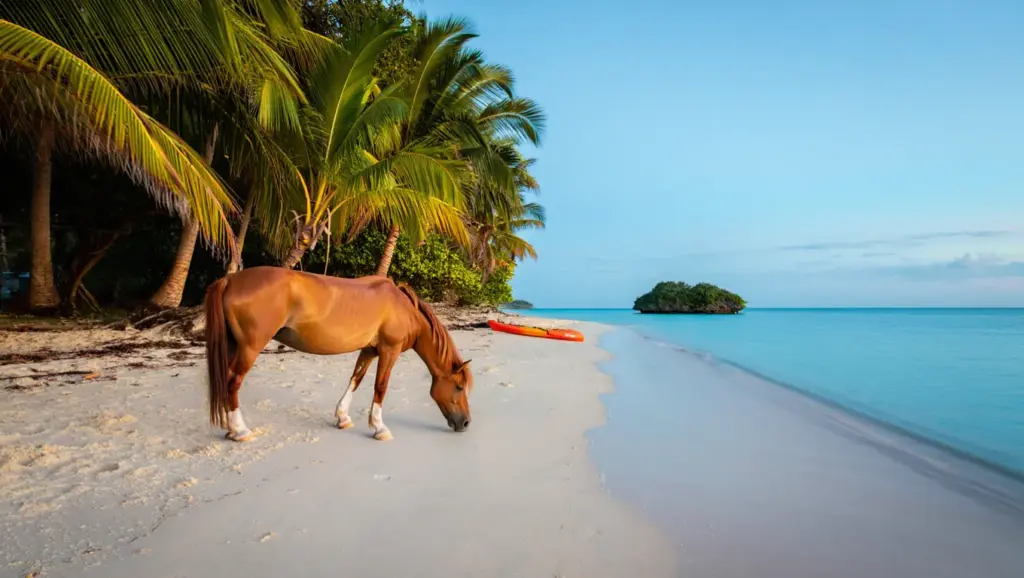
Vieques offers wild horses, secluded beaches, and the famed Mosquito Bay. Culebra shines with Flamenco Beach and snorkeling at Carlos Rosario. Ferry logistics: book via Autoridad de Transporte Marítimo 30 days ahead, or use Cuatro Tours for priority boarding. Alternative: fly from SJU airport ($100-150 round-trip) to save time. Accommodation ranges from $75/night guesthouses to $300+ eco-lodges. Consider Paradores (rural heritage hotels) for authentic stays—prices $90-200/night. Threshold: ferry rides take 30-45 mins (Vieques) or ~1 hour (Culebra); seasickness meds recommended for rough days.
Book ferries 30 days ahead or lose access: Culebra and Vieques demand advance planning, not spontaneity.
The Coffee Plantations of the Central Mountains
The Cordillera Central produces some of the world’s best shade-grown coffee. Hacienda San Pedro in Utuado offers tours ($25/person) including tastings and mountain views. Best visited October-February during harvest. Drive time from San Juan: ~2 hours on PR-52/PR-10—rent a car with good brakes for winding roads. According to a 2023 study by the Puerto Rico Institute of Statistics, agritourism visits grew 18% year-over-year, signaling rising interest . Pro tip: book tours directly with plantations to support community-based tourism.
Historical Towns: Ponce and Mayagüez
Ponce, the “Pearl of the South,” features neoclassical architecture and the Parque de Bombas firehouse museum ($5 entry). Mayagüez offers a quieter port-town vibe with the Mayagüez Zoo (free) and local rum distilleries. Both require a car via PR-52. Stay overnight to experience evening plazas without day-trip crowds. Budget: $100-180/night for mid-range hotels, significantly less than San Juan. Don’t miss Camuy Caves (one of the world’s largest cave systems) en route—tours $15-20/person, book ahead.
Unique Cultural and Historical Experiences
Culture isn’t just museums—it’s festivals, art, and daily rhythms. These experiences connect you to Puerto Rican identity beyond postcard moments.
The Vibrant Festivals of Puerto Rico
Festival season runs year-round. San Sebastián Street Festival (third weekend of January) draws 200,000+ for music and crafts. Fiestas de la Calle San Sebastián in Old San Juan transforms streets into open-air parties. Smaller town festivals (like Fiesta de la Candelaria in February) offer authentic local flavor without crowds. Check Discover Puerto Rico’s event calendar monthly—dates shift yearly. Threshold: festival lodging books 3-6 months ahead; expect 20-40% price surges. Whale watching season (January-March) near Rincón adds another layer—tours $60-90/person.
Art and Architecture Highlights
Santurce’s street art corridor (Calle Cerra to Calle Loíza) features murals by local and international artists. Free self-guided tours work, but guided walks ($30/person) provide context. For architecture, don’t miss the Capitol Building in San Juan (free tours) and Ponce’s Parque de la Abolición. According to a 2025 report by CoStar, luxury hotel supply grew 7.1% in 2024, often incorporating local art—supporting cultural preservation through tourism . Pro tip: Airbnb regulations changed in 2024—verify short-term rental licenses before booking.
Understanding Puerto Rican Heritage
Heritage isn’t monolithic. Taíno roots appear in place names and cassava bread. African influences shine in bomba music and cuisine. Spanish colonial layers define architecture and language. Visit the Museo de Historia de Ponce ($8 entry) for nuanced narratives.
“When the dust settles, we’ll use this crisis as an opportunity to rebuild travel with deeper respect for local cultures.” — Zane Kerby, President & CEO, ASTA
Translation: engage respectfully—ask before photographing people, support local artisans directly. Consider community-based tourism initiatives that channel revenue directly to local communities. When visiting cultural sites, allocate time for reflection—not just photos. Heritage deserves presence, not just pixels.
Practical Information for Visitors
Logistics make or break trips. This section cuts through generic advice with threshold-based, actionable intel.
Best Time to Visit Puerto Rico
Weather-wise, December-April offers dry, 70-85°F days—but also peak prices and crowds. For value, target May-July or September-early December: lower rates, fewer tourists, but higher rain chance (hurricane season June-November, peak risk August 15–October 15) . Threshold note: hotel rates drop 30-50% in September; however, some tours/ferries reduce schedules. Always buy travel insurance covering weather disruptions. Regional note: north coast (San Juan) gets more rain than south (Ponce)—pack accordingly.
Transportation and Getting Around
- Flights: Main airport: Luis Muñoz Marín (SJU). Secondary: Rafael Hernández (BQN, west), Mercedita (PSE, south).
- Rental cars: $40-90/day; book early for peak season; mandatory insurance adds ~$15/day.
- Public transport: $0.75 bus fares in San Juan, but infrequent outside metro areas .
- Rideshares: Uber/Lyft available in San Juan, Ponce; expect $8-25 for most tourist routes.
- Highways: PR-22 (north coast expressway), PR-52 (San Juan-Ponce corridor)—toll roads, carry small bills.
Safety Tips for Travelers
Puerto Rico is generally safe for tourists, but standard precautions apply. Avoid displaying expensive jewelry; use hotel safes. In cities, stick to well-lit areas after dark. Natural hazards: heed beach warning flags (red = dangerous currents); check weather during hurricane season via NOAA. According to a 2024 tourism security report, incidents involving tourists decreased 12% year-over-year with increased patrol presence . Threshold: emergency number is 911; English-speaking operators available. Beach note: reef-safe sunscreen is legally required—non-compliant products face fines.
When in doubt about beach conditions, ask lifeguards or check local signage—currents can change fast, and safety beats a perfect photo.
FAQ
Do I need a passport to visit Puerto Rico as a U.S. citizen?
Yes, but only if you’re traveling from outside the United States—U.S. citizens only need government-issued ID.
Is it too crowded during the winter months?
No, unless you visit during peak season (Dec-Apr), you won’t face extreme crowds—shoulder months offer balance.
Is English widely spoken across the island?
Yes, but in tourist zones mostly—learning basic Spanish phrases enhances interactions significantly.
Can I reach remote beaches without renting a car?
No, unless you use ferries and tours which fill this gap but require advance booking.
Is it possible to visit Puerto Rico on a tight budget?
Yes, but with planning: target off-season, use public transport, eat at local comedores.
What’s the one experience you’re most excited to prioritize on your Puerto Rico trip?
Sources
Sources
- Discover Puerto Rico Visitor Profile Study Fiscal Year 2023-2024 (PDF)
- Budget Your Trip: Puerto Rico Travel Cost Guide
- Forbes: Puerto Rico Tourism Hits Record-Breaking High (2025)
- City Nation Place: Leah Chandler Quote on Culture-Centered Tourism
- ASTA Press Release: Zane Kerby on Sustainable Travel
- Puerto Rico Tourism Company: Official Safety & Visitor Resources
- USDA Forest Service: El Yunque National Forest Visitor Management
- Instituto de Estadísticas de Puerto Rico: Official Data Portal
- NOAA National Hurricane Center: Atlantic Hurricane Season
- Puerto Rico Ferry (Hornblower): Official Booking Platform